
Learning VXLAN and EVPN
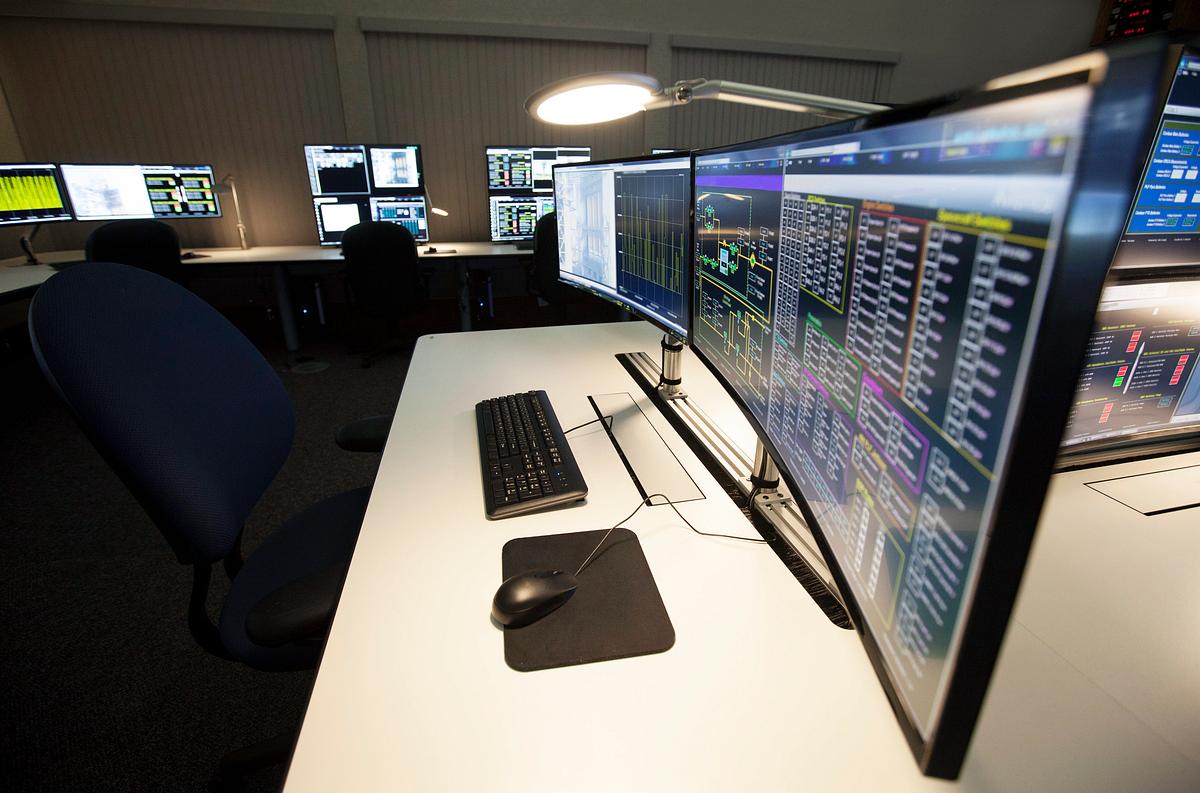
If VXLAN and EVPN are on your list to learn, here are some training courses for a great place to Start
Networking guides, field notes, and updates from Justin Wilson.
If VXLAN and EVPN are on your list to learn, here are some training courses for a great place to Start
I will be talking about some of these in more detail in later posts. These are some random photos of gear and of the ISPAmerica 2026 show in Atlanta Georgia.
Most ISPs don’t start with a management network. Instead, they add it later as the network expands. They add a router, an OLT, some core switches, and a few servers. Everything runs smoothly—until it suddenly doesn’t. Then someone asks a tough question, usually during an outage: If the main network goes down, how do we … Read more
Do you need help navigating your company’s interconnection strategy? I work with operators, ISPs, data centers, and content networks on interconnection-related matters. Here are some examples of how I can help you with: • Interconnection strategy and traffic engineering• Internet Exchange onboarding and expansion• Clean and accurate PeeringDB entries.• BGP policy design for IX, private … Read more
Many engineers use the term VLAN in a broad way, often referring to any logical separation on a switch. However, a standard VLAN and a Private VLAN address different needs. Mixing them up can lead to network design mistakes.

If you manage a network and haven’t considered synchronizing your devices with the NTP protocol, this article is for you. Logs, BGP sessions, RADIUS accounting, DHCP leases, syslog, NetFlow, security alerts. Every one of them depends on accurate time. Network Time Protocol, usually called NTP, is the protocol that keeps clocks in sync across IP networks. It runs over UDP port 123.

PL stands for “Private Line.” It’s a Motorola trade name for what the industry calls CTCSS, which means Continuous Tone-Coded Squelch System. In simple terms, a PL is a low-frequency tone your radio sends along with your voice.

This is the second installment in my series about the modern Internet Service Provider. The term AIOps gets thrown around liberally, and it’s worth being precise about what machine learning actually does well in network operations versus where it’s still a pipe dream. Where ML Delivers Measurable Value Today Anomaly detection is the most mature … Read more
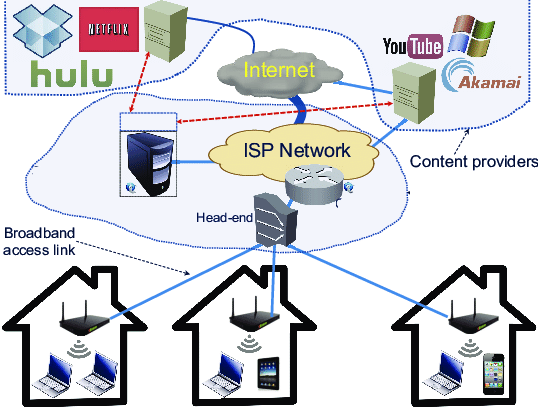
The three-tier model of core (edge), distribution, and access remains the foundation of ISP network architecture, though the distinctions between these layers have become less defined. A current assessment requires analysis beyond standard diagrams.
You’re managing a network that deals with more traffic than ever before. Your subscribers stream 4K video, work from home using cloud-based tools, and rely on applications where even a slight delay matters. The systems you have now are working, but the reality is that the network design you use today won’t be enough for the next five years.
Autonomous System Provider Authorization (ASPA) addresses a longstanding gap in Border Gateway Protocol (BGP) security.
