
Fat Rail vs Thin Rail in AI compute clusters

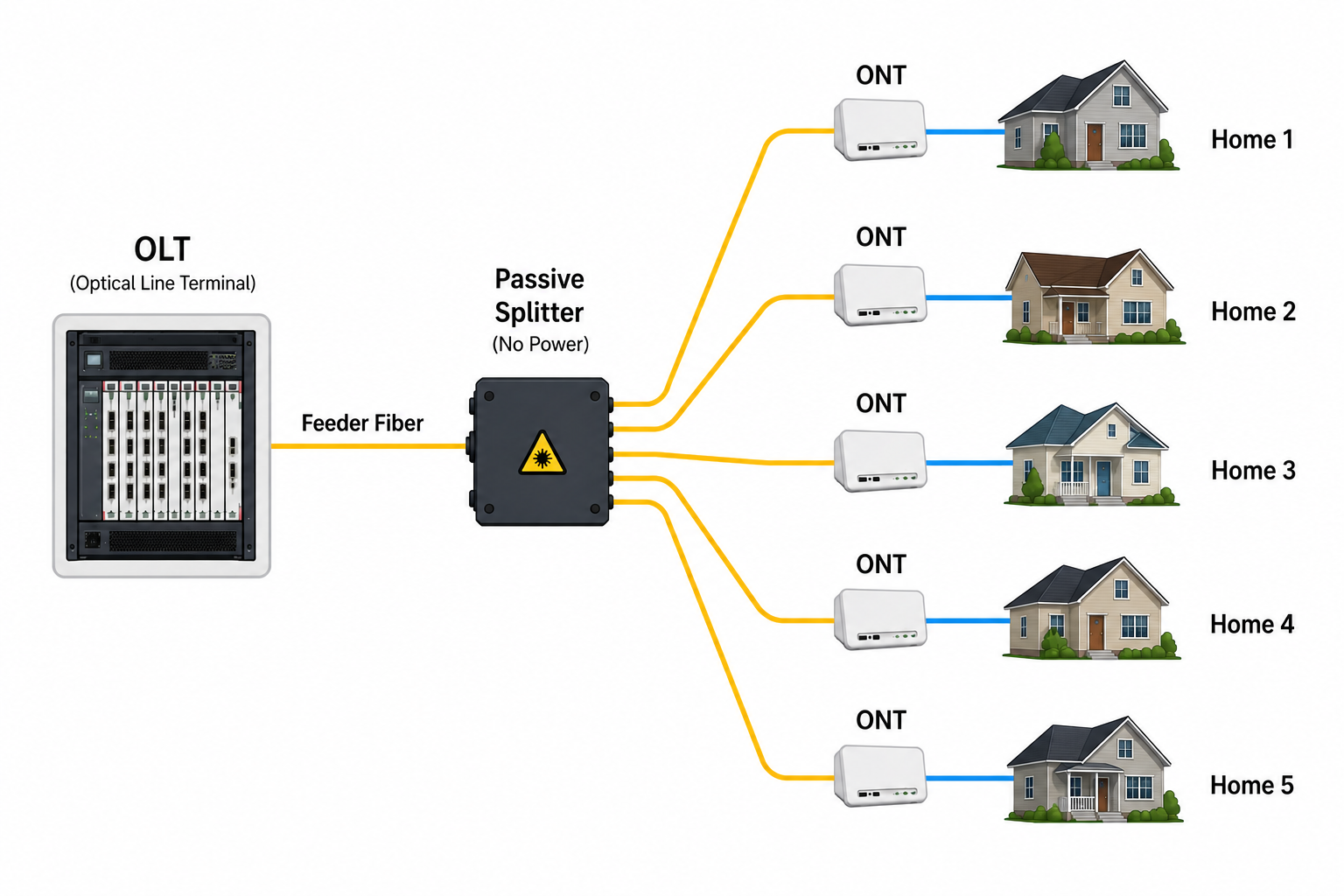
We are starting to hear about “Thin” and “Fat” rails in AI fabrics.  These are just another way to say a connection from compute into the Fabric.  The link either has sufficient capacity (Fat) or insufficient capacity (Thin). A thin rail provides the node with a single path into the fabric. That may be one … Read more

George Washington, the Delaware, and Direct Routes

I originally posted this over on the FD-IX Bloghttps://blog.fd-ix.com/george-washington-the-delaware-and-direct-routes/ When George Washington crossed the Delaware River on Christmas night in 1776, the goal was simple. Reach the objective by the most effective path while avoiding unnecessary delays and giving the opposing force as little warning as possible. The crossing was risky, but it created a … Read more

EVPN-VXLAN for Regional ISPs: Extending Layer 2 Without Spanning Tree

Large VLAN domains depend on spanning tree. Every topology change triggers recalculation and temporary forwarding loss. EVPN-VXLAN replaces large Layer 2 domains with routed underlays and distributed MAC learning. Regional ISPs use this to connect data centers, IX edge infrastructure, and broadband aggregation networks without stretching spanning tree across sites VXLAN encapsulates Ethernet frames inside … Read more

Understanding Leaf and Spine Switching in Modern Data Centers

leaf and spine

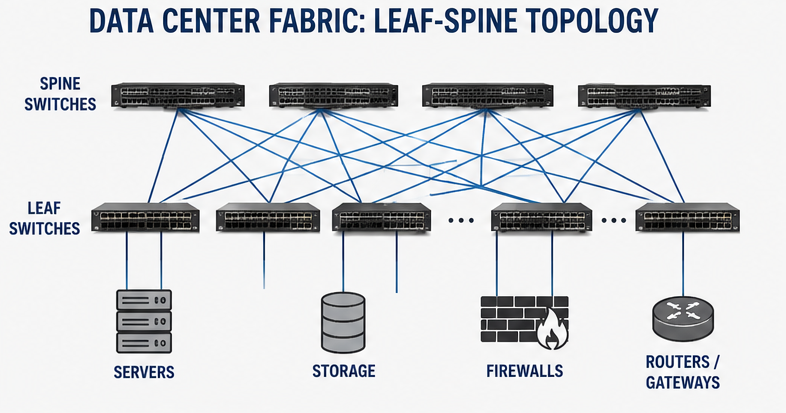
A leaf-and-spine design is a data center network topology that removes the traditional three-tier hierarchy and treats every path equally. Traditional three-tier networks build layers like access, distribution, and core. This structure creates choke points when traffic has to move northbound through specific devices. A leaf and spine fabric flattens that design so every leaf … Read more