
Why Splitters Are Needed in a GPON Network
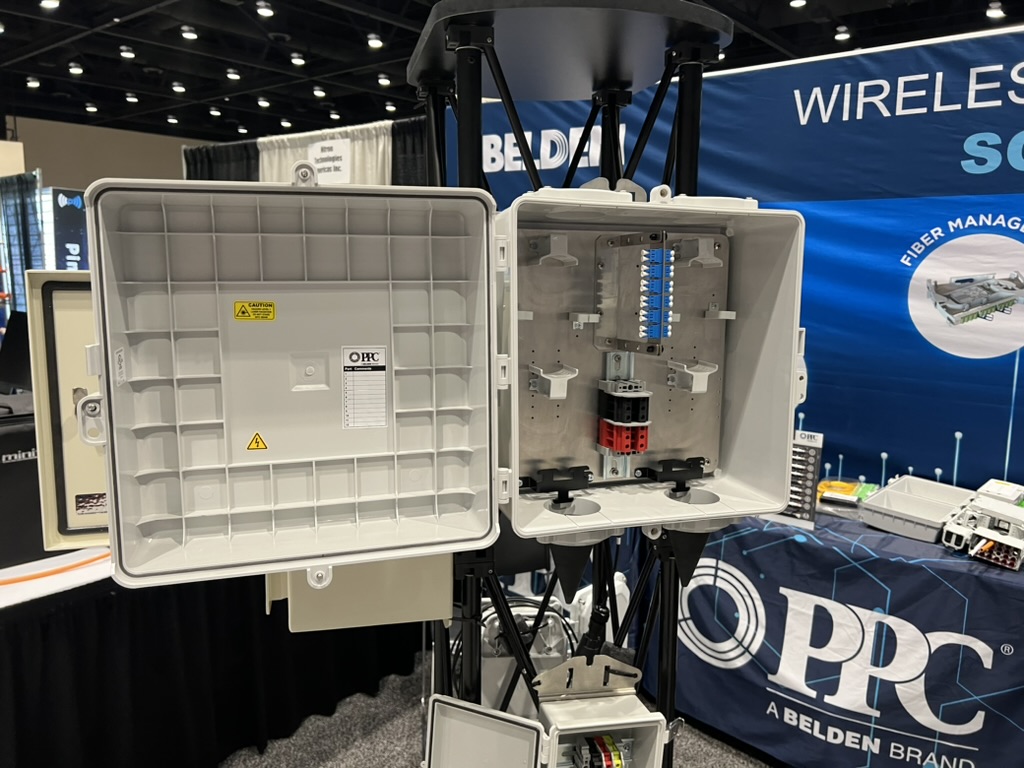
In a GPON (Gigabit Passive Optical Network), splitters are essential components that allow multiple end users to share a single fiber optic link from the service provider’s central office. Key Reasons for Using Splitters in GPON


Why ISPs Should Prioritize Interconnection Over Raw Speed

abstract futuristic digital tunnel illusion

In the broadband industry, the race for higher speeds has dominated marketing campaigns and consumer expectations. Internet Service Providers (ISPs) continually tout gigabit speeds as the ultimate benchmark for quality. While speed is important, a more critical yet often overlooked aspect of internet performance is interconnection—the way ISPs connect and exchange traffic with other networks. … Read more

Understanding How TCP/IP Works: A Beginner’s Guide

satellite and green trees under a clear blue sky

The TCP/IP (Transmission Control Protocol/Internet Protocol) is the backbone of the internet and most modern networks. It ensures that data is transmitted reliably and efficiently between devices, whether you’re sending an email, streaming a video, or browsing a website. In this blog, we’ll break down how TCP/IP works, its layers, and how data moves across … Read more

Private vs. Public Autonomous System Numbers (ASN): What’s the Difference?

Interconnection

In the world of internet networking, Autonomous System Numbers (ASNs) play a crucial role in routing data efficiently between different networks. ASNs are unique identifiers assigned to Autonomous Systems (AS)—large networks or groups of IP addresses that operate under a single organization, such as ISPs, cloud providers, or large enterprises. However, not all ASNs are … Read more

Unifi Shadow Mode

High Availability in Ubiquiti. UniFi Shadow Mode is a high-availability (HA) feature for UniFi Cloud Gateways (UDM-Pro, UDM-SE, UDM-Pro-Max, EFG) that provides instant failover by creating an active-passive pair. A secondary “Shadow” gateway mirrors the primary’s configuration and state, automatically taking over within seconds if the primary fails, using Virtual Router Redundancy Protocol (VRRP) and shared IP/state … Read more

How to Set Up an EoIP Tunnel with MikroTik Version 7

Ethernet over IP (EoIP) is a protocol developed by MikroTik that allows the creation of a Layer 2 VPN tunnel between two MikroTik devices over an IP network. This is useful for extending local networks across remote locations. In this guide, I will demonstrate how to configure an EoIP tunnel using MikroTik version 7. Prerequisites … Read more

Mikrotik Wireless overview 2025

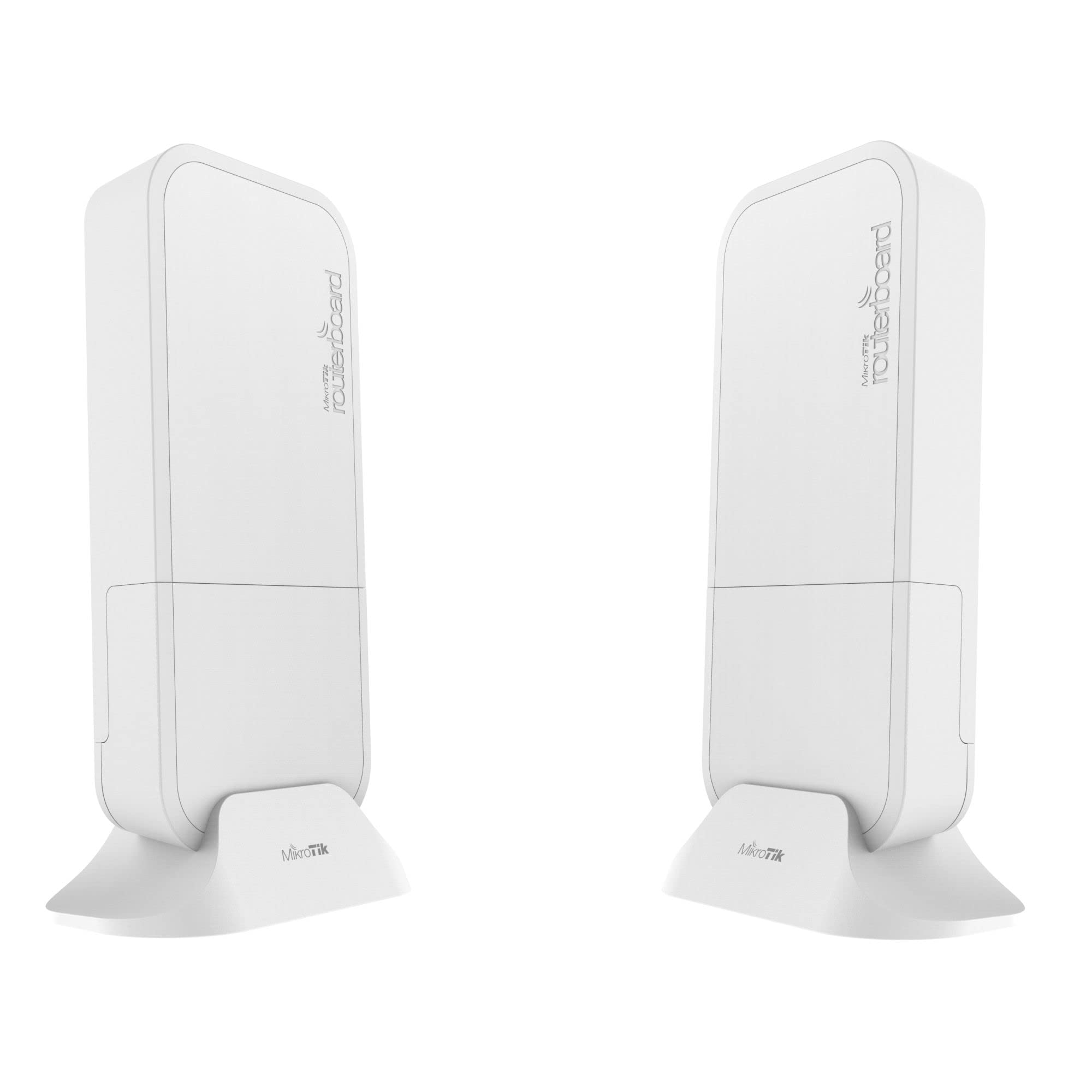
One of the questions I often see is what Mikrotik is doing with wireless and what they are supporting. This blog post is going to outline some of the key Mikrotik wireless features and standards supported. Frequency Bands and Standards Wireless Protocols MikroTik’s RouterOS supports various wireless protocols to enhance performance and reliability: Product Offerings … Read more

Half-Duplex vs. Full-Duplex Wireless Data Rates: What You Need to Know

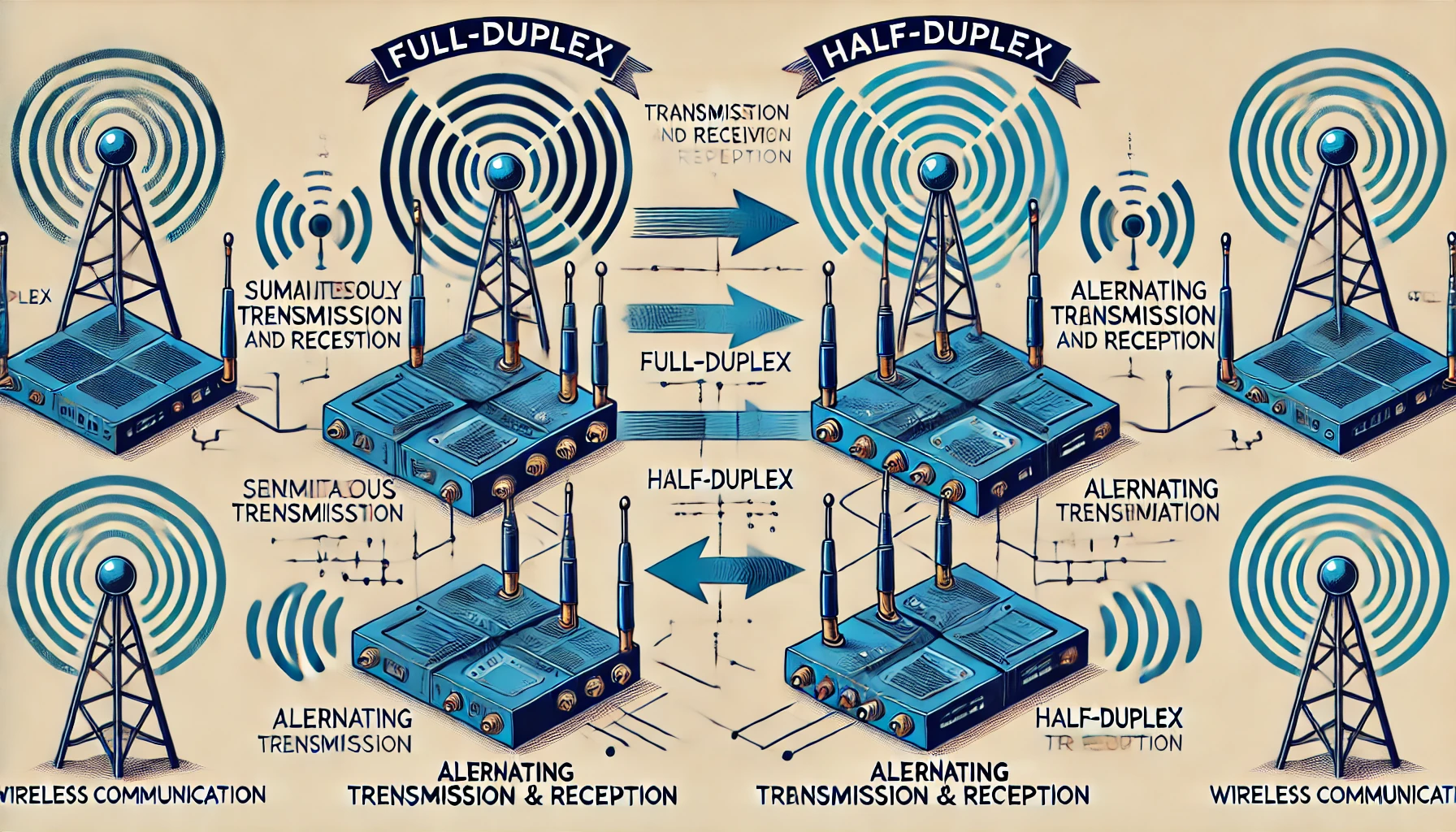
In wireless communication, terms like half-duplex and full-duplex often come up when discussing data rates and network performance. These modes dictate how data is transmitted and received, affecting wireless networks’ speed, efficiency, and reliability. In this blog post, we’ll discuss the differences between half-duplex and full-duplex communication, their impact on wireless data rates, and real-world … Read more