
Network Operations
Internet Service provider topics, Network operations, and other topics. Some topics include Mikrotik, Cisco, Arista and other configurations.
Mikrotik RouterOS V7 BGP Template $15
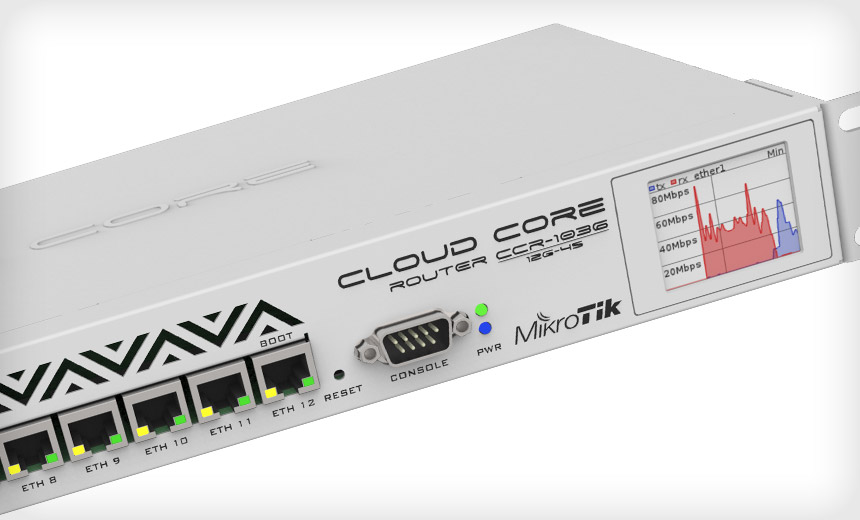
The following is a Template for creating a BGP session with both a v6 and a v4 peer in Mikrotik RouterOS v7. It costs $15 for Patreon subscribers or $20 for everyone else.
Radom Photo from Cameral Roll DWDM optics
FS.com DWDM optics ready to be deployed
Using Point-to-Point OSPF and example configurations

In this post, I will break down what OSPF point-to-point mode is, when to use it, and why it might be your best option.
QoE Solutions for ISPs: Enhancing Subscriber Experience Through optimized Networks
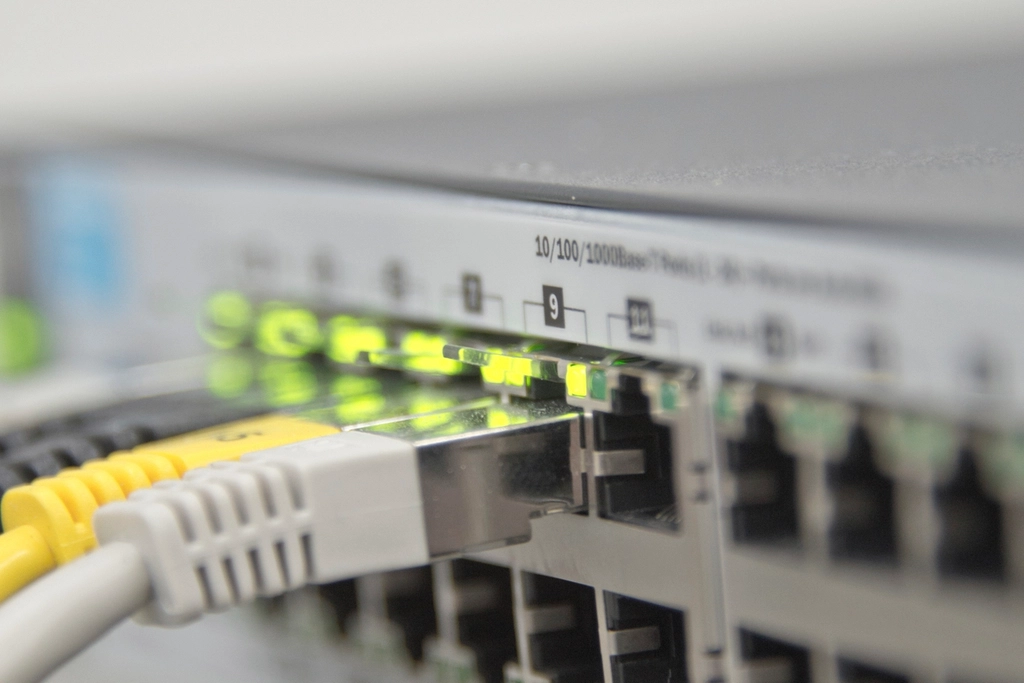
Let’s take a look at some of the leading QoE solutions designed for ISPs and network operators, ranging from commercial platforms to open-source tools.
My Top Tools for Network Administrators Using Mac and Homebrew
Whether you’re troubleshooting BGP sessions, scanning subnets, or verifying DNS propagation, these Homebrew-accessible tools can save you time, boost productivity, and make you look like the network wizard you are.
Why ISP-Specific Training is Critical to…well duh…ISPs. Part 1
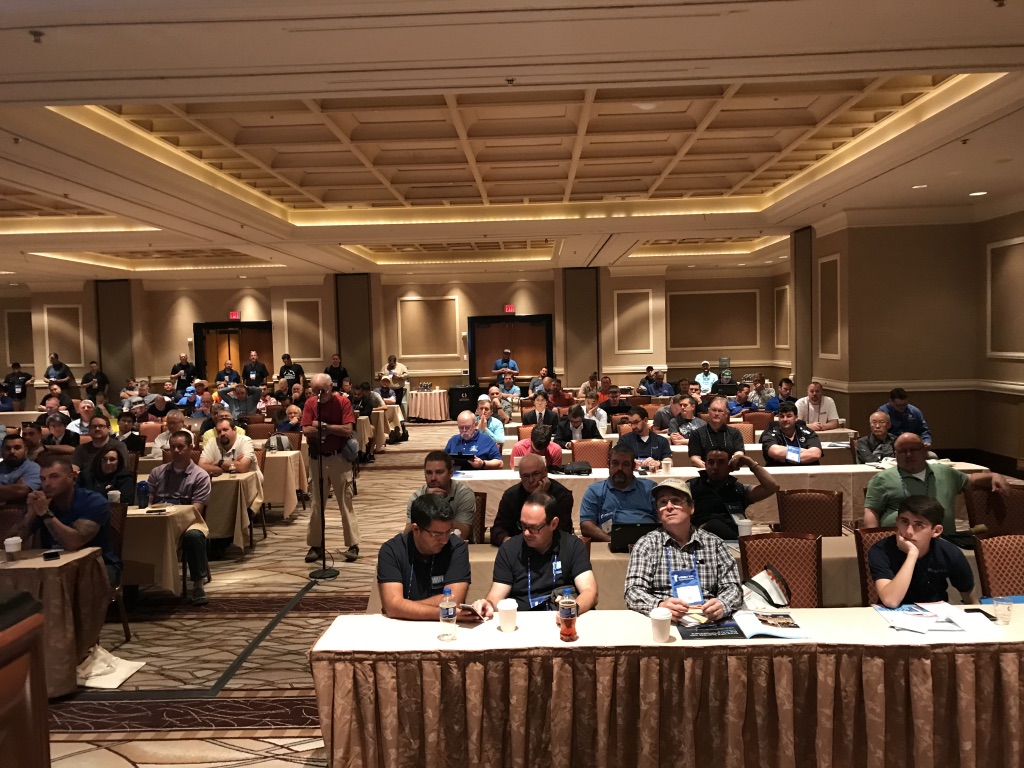
ISP-specific training focuses on the unique challenges and technologies Internet Service Providers face. Unlike general networking or CompTIA-style certifications, this type of training zeroes in on real-world field scenarios
How BFD Can Help Your Network (and Where It Might Hurt)
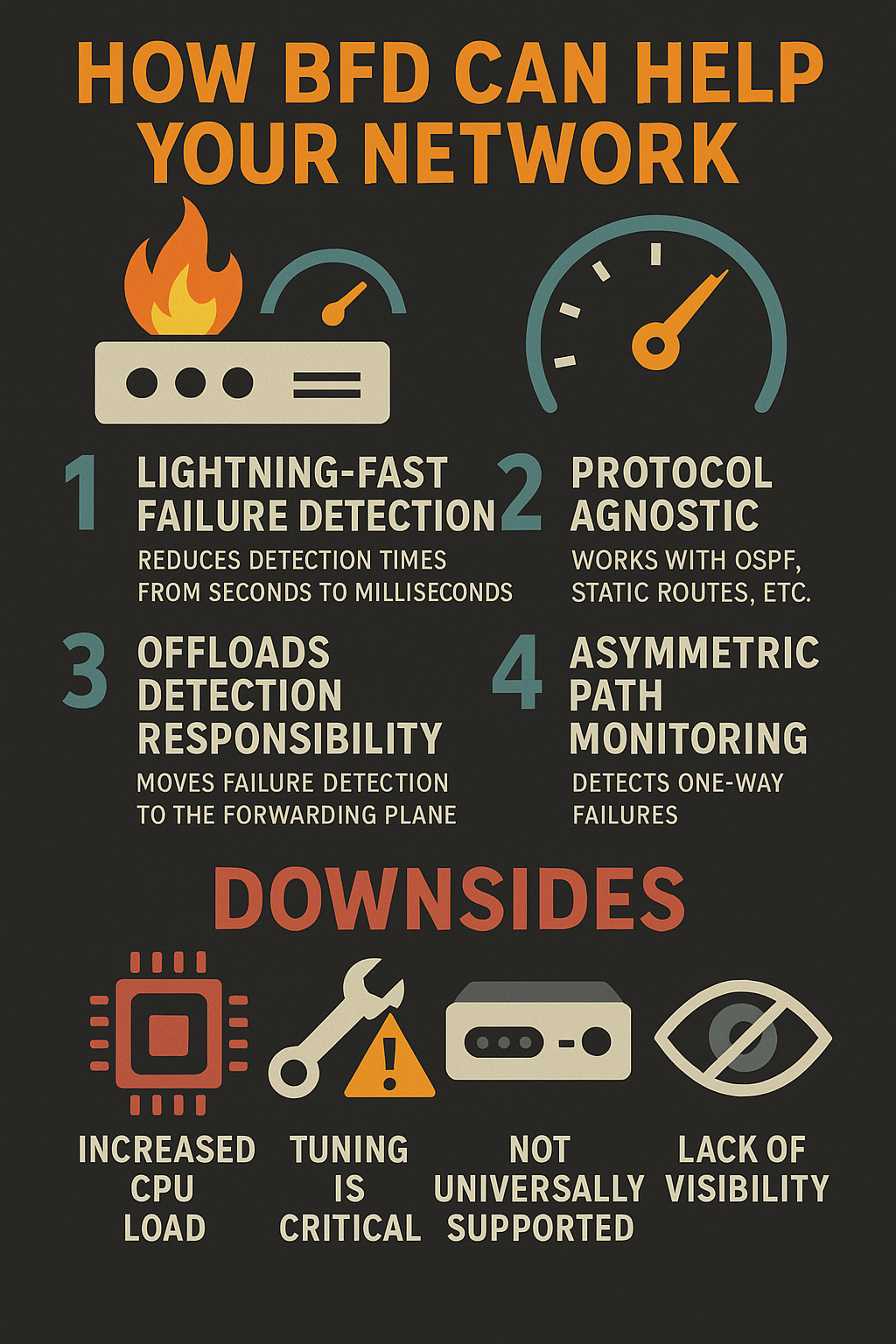
BFD is a protocol designed to rapidly detect link or path failures between two forwarding engines. It operates independently of routing protocols but works in conjunction with them to improve failure detection and response times.
Exploring the wireless Hardware Behind Cambium Networks
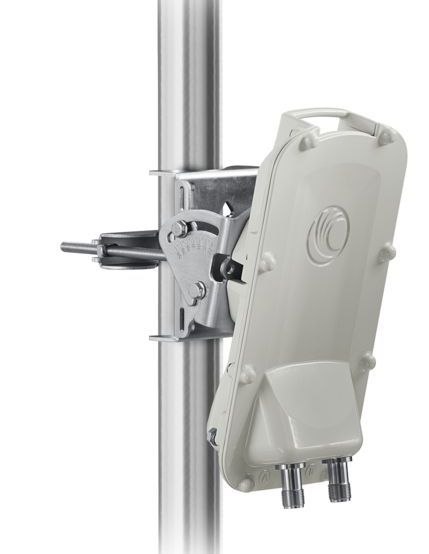
Cambium Networks offers a broad and powerful hardware portfolio—from fixed wireless radios to enterprise Wi‑Fi and switches—all seamlessly managed via their cnMaestro and XMS platforms
How OSPF Works: A Deep Dive into One of Networking’s Core Protocols

OSPF, or Open Shortest Path First. OSPF is one of the most commonly used interior gateway protocols (IGPs) in enterprise and service provider networks. It’s fast, scalable, and supports complex topologies. Many WISPs use OSPF in their networks as well as other Service Providers.
Audio Version: Border Gateway Protocol (BGP): How the Internet’s Routing Protocol Works



Podcast: Play in new window | Download (68.6MB)
Border Gateway Protocol (BGP) is a protocol that makes the Capitl I Internet run. It is the fundamental system that Internet Service Providers (ISPs) and large networks use to exchange reachability information and ensure data finds its way across the complex web of networks making up the global Internet.
Cisco Flex links on blog.j2sw.com
http://blog.j2sw.com/2019/05/13/cisco-flex-links/