
Border Gateway Protocol (BGP): How the Internet’s Routing Protocol Works

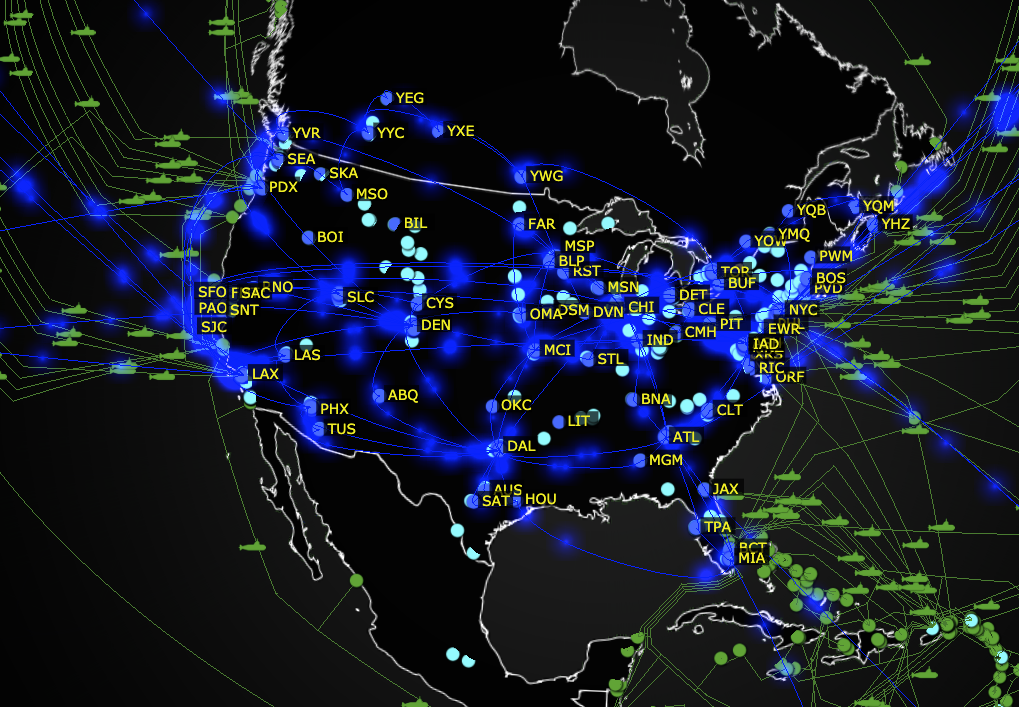
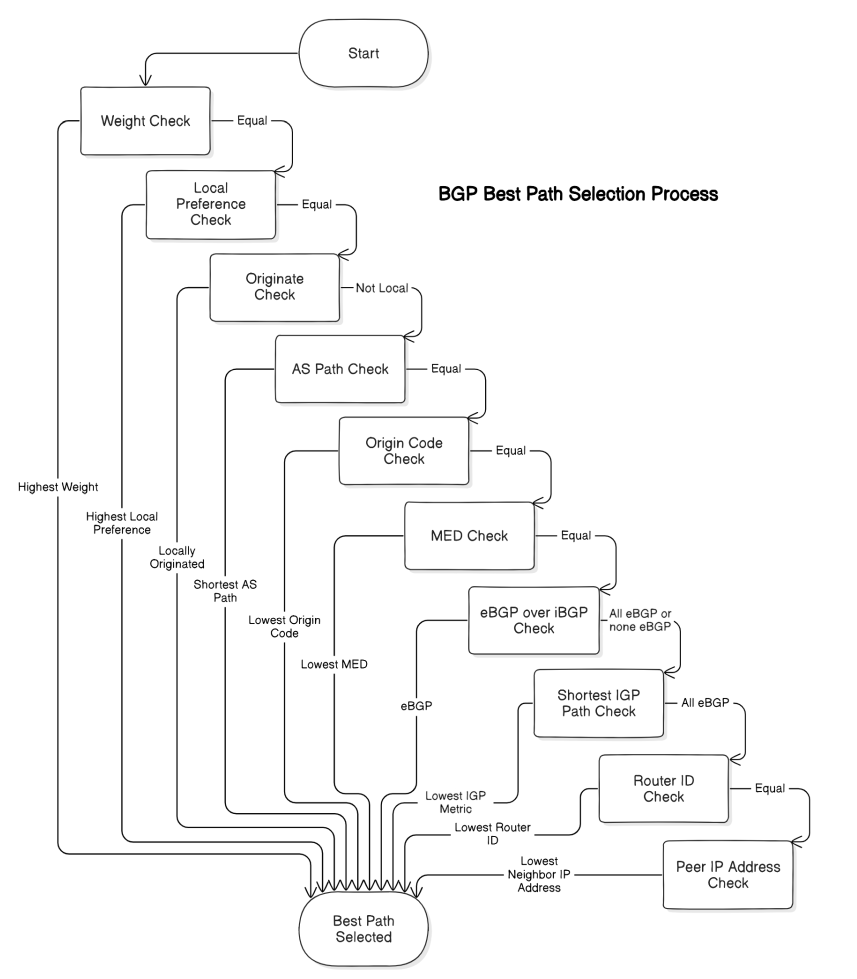
Border Gateway Protocol (BGP) is a protocol that makes the Capital I Internet run. It is the fundamental system that Internet Service Providers (ISPs) and large networks use to exchange reachability information and ensure data finds its way across the complex web of networks making up the global Internet. This post will demystify how BGP … Read more

VRF Architectures

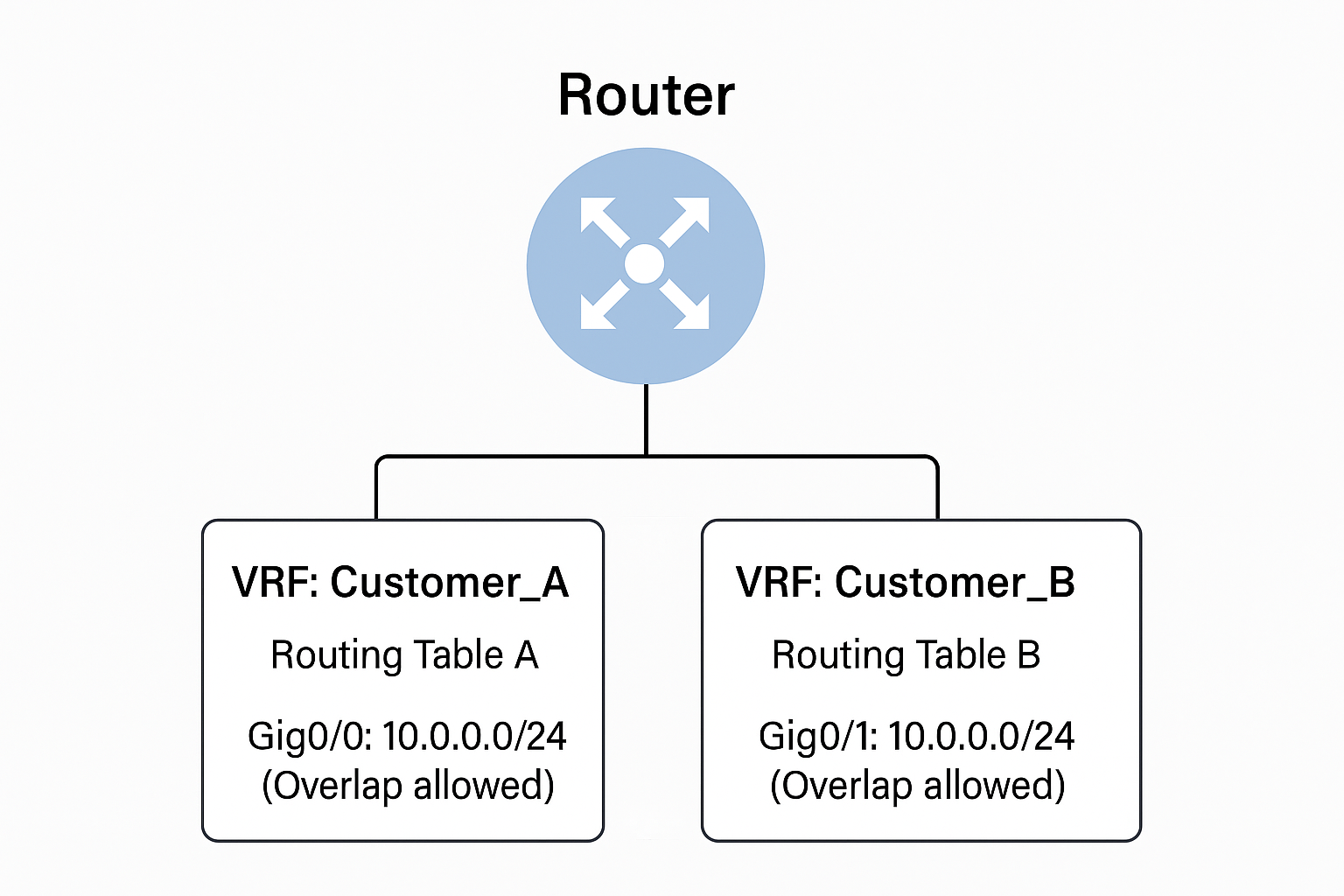
1. Basic VRF Architecture Diagram A single router with two VRFs (e.g., Customer_A and Customer_B), each with its own routing table and interface. Purpose: Shows how two VRFs keep overlapping IP spaces separated. 2. Traffic Isolation in VRFs Two devices connected to the same router but isolated via VRFs. 3. VRF Routing Tables Example Purpose: … Read more

Why ISPs Should Prioritize Interconnection Over Raw Speed

abstract futuristic digital tunnel illusion

In the broadband industry, the race for higher speeds has dominated marketing campaigns and consumer expectations. Internet Service Providers (ISPs) continually tout gigabit speeds as the ultimate benchmark for quality. While speed is important, a more critical yet often overlooked aspect of internet performance is interconnection—the way ISPs connect and exchange traffic with other networks. … Read more

Why Is East-West Traffic Important in ISP Networks?

The terms east-west traffic and north-south traffic are pivotal for understanding data flows. These concepts are not limited to data centers or enterprise networks; they also have significant implications in Internet Service Provider (ISP) networks. While ISPs primarily focus on external connectivity (north-south traffic), the importance of east-west traffic within their networks is growing as … Read more

Configuring BGP Filters on MikroTik RouterOS v7: Part1

BGP (Border Gateway Protocol) is essential for dynamic routing in modern networks. MikroTik’s RouterOS version 7 introduces significant updates to BGP functionality, making it more efficient and flexible. This guide walks you through configuring BGP filters on MikroTik RouterOS v7 to manage route propagation effectively. Prerequisites Before diving into the configuration, ensure: Step 1: Access … Read more

How Does TCAM Work in Routers?

In a previous post, I asked if TCAM is still needed in modern routers. In this post, I will examine how TCAM works in routers and provide some more insight into TCAM. In a router, TCAM stores and processes rules for various functions. These rules are typically derived from: Steps for TCAM Lookup: Why Do … Read more

Understanding the Different Types of OSPF Areas: A Guide

Interconnection

Open Shortest Path First (OSPF) is one of the most widely used link-state routing protocols in large enterprise networks, known for its scalability and efficiency in handling complex topologies. One of the key features that makes OSPF flexible is its support for different types of areas. OSPF areas are used to logically group routers, reducing … Read more

Why BGP is the Backbone of the Internet: Understanding the Importance of Border Gateway Protocol

The Internet, as we know it today, is a vast network of interconnected systems that allow seamless communication, data transfer, and access to information. But have you ever wondered how data finds its way across such a sprawling network? This is where BGP, or Border Gateway Protocol. While it operates quietly behind the scenes, BGP … Read more

Understanding BGP Hold Timers

At its core, a Hold Timer in BGP refers to the duration a BGP speaker (router) will wait for updates from its peer before considering the connection as possibly down. It’s a timeout mechanism that ensures BGP routers stay synchronized and prevents unnecessary route flapping or instability. Importance of BGP Hold Timers Configuring BGP Hold … Read more