
When we talk about antennas in wireless networking, the conversation often drifts toward frequency, coverage, and line of sight. However, one key factor can significantly impact your link quality: antenna gain. This post is intended to be a generalization. Many more factors influence antenna selection, such as signal quality, etc.
What Antenna Gain Actually Means
Gain does not create extra power. Instead, it describes how an antenna focuses the energy it already has. Think of the difference between a lightbulb and a flashlight. Both use the same amount of light, but the flashlight directs it into a beam that goes farther. Antenna gain works in a similar way.
Gain is measured in dBi (decibels relative to an isotropic radiator). The higher the number, the more the antenna focuses the signal in a certain direction.
- Low-gain antennas (2–5 dBi) spread the signal wide, making them good for covering general areas like an office or a home.
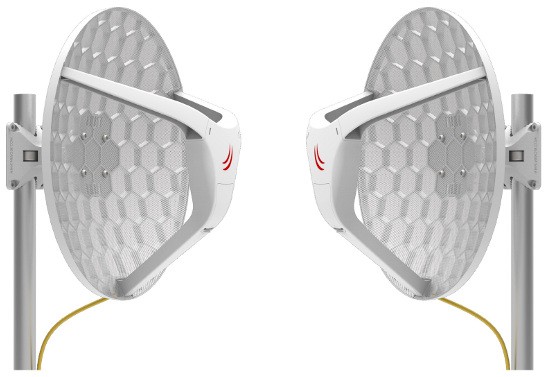
- High-gain antennas (10+ dBi) concentrate the signal into a tighter beam, thereby extending the range but reducing the coverage area.
Why It Matters in the Real World
- Range: Higher-gain antennas can send your wireless signal farther. This is especially important for rural broadband, long outdoor connections, or linking buildings across a campus.
- Coverage Shape: Using too much gain indoors can cause problems. Rather than spreading the signal evenly, it may shoot straight past the walls and leave dead zones where you need coverage.
- Interference: Focused antennas help cut down noise from unwanted directions. In a busy wireless environment, this can mean the difference between a stable connection and a frustrating one.
- Regulatory Limits: Antenna gain affects the Effective Isotropic Radiated Power (EIRP). If you use too much gain with a strong transmitter, you could accidentally break FCC rules.
Matching Gain to the Job
The right antenna gain depends on your use case:
- Indoor Wi-Fi APs: Use lower gain to spread coverage more evenly across rooms.
- Point-to-point links: Choose higher gain to handle longer distances and reduce interference.
- Point-to-multipoint setups: Balance is important. If you use too much gain, you might miss clients who are not directly in line with the antenna.
https://j2sw.com
https://startawisp.info
https://indycolo.net
#packetsdownrange #routethelight
Discover more from Justin Wilson (j2sw)
Subscribe to get the latest posts sent to your email.