
The Challenges That Keep ISP Engineers Up at Night

ISP engineers have traditionally been a “person of many hats”. There are many things that keep us up at night. Among them are some of the following.
ISP engineers have traditionally been a “person of many hats”. There are many things that keep us up at night. Among them are some of the following.
When you run a network, you’ll hit this situation sooner or later. A customer buys a service, but the issue they are dealing with is not related to your network. It is theirs. But do you help them?
Many engineers use the term VLAN in a broad way, often referring to any logical separation on a switch. However, a standard VLAN and a Private VLAN address different needs. Mixing them up can lead to network design mistakes.
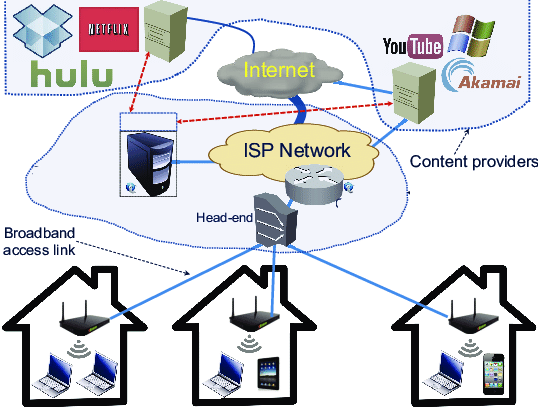
The three-tier model of core (edge), distribution, and access remains the foundation of ISP network architecture, though the distinctions between these layers have become less defined. A current assessment requires analysis beyond standard diagrams.
Many Internet service providers believe PeeringDB is just for networks in large data centers. That belief sticks around like an old patch cable at the bottom of a toolbox. The reality is simpler: every ISP should have a PeeringDB entry, even if you never set foot in a carrier hotel, IXP, or meet-me room. Your … Read more

When BEAD winners build new last-mile or middle-mile networks, connecting back to the global Internet is essential. Without a nearby exchange, that traffic may have to travel hundreds of miles to a major metro before reaching popular destinations like cloud providers, streaming platforms, or even local government websites. This detour adds latency, reduces performance, and increases costs.
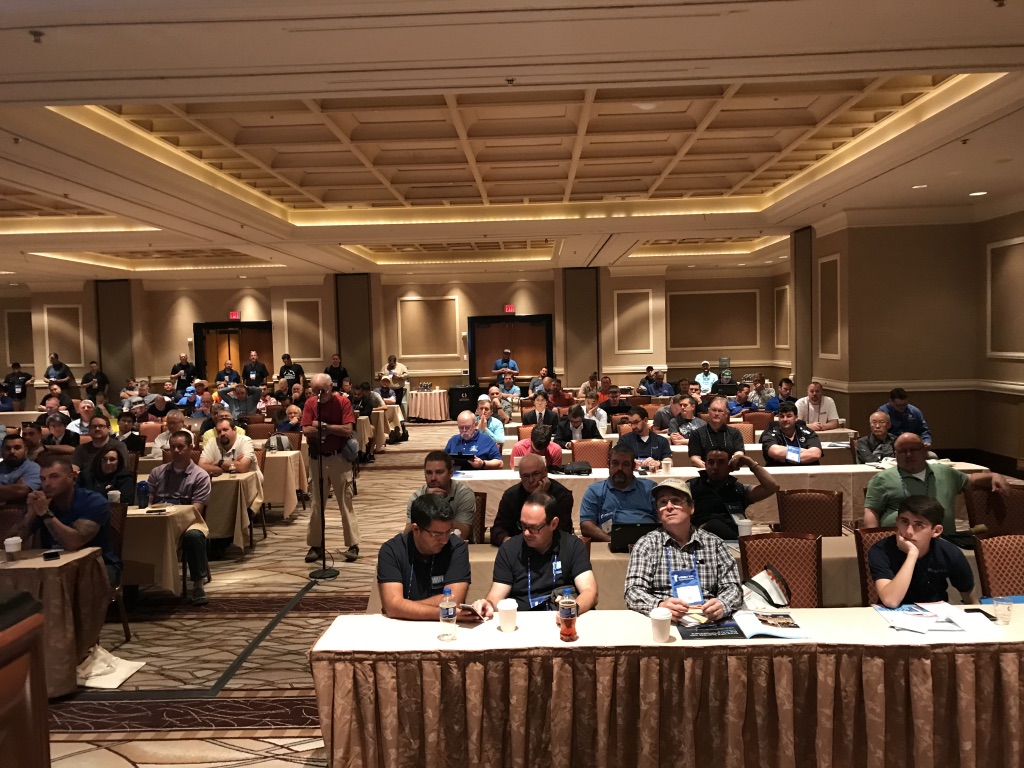
ISP-specific training focuses on the unique challenges and technologies Internet Service Providers face. Unlike general networking or CompTIA-style certifications, this type of training zeroes in on real-world field scenarios
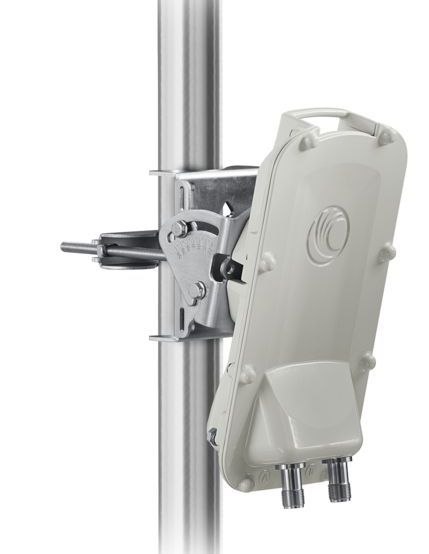
Cambium Networks offers a broad and powerful hardware portfolio—from fixed wireless radios to enterprise Wi‑Fi and switches—all seamlessly managed via their cnMaestro and XMS platforms


Podcast: Play in new window | Download (68.6MB)
Border Gateway Protocol (BGP) is a protocol that makes the Capitl I Internet run. It is the fundamental system that Internet Service Providers (ISPs) and large networks use to exchange reachability information and ensure data finds its way across the complex web of networks making up the global Internet.
Here’s a Microwave Backhaul Troubleshooting Checklist suitable for field techs, NOC staff, or network engineers. It covers physical, configuration, environmental, and link-layer elements:
Here’s a comprehensive ISP POP Site Visit Technician Checklist tailored for field engineers visiting a Point of Presence (POP) site (not a customer premises). It includes your requested items plus standard best practices for professional documentation and operational verification:
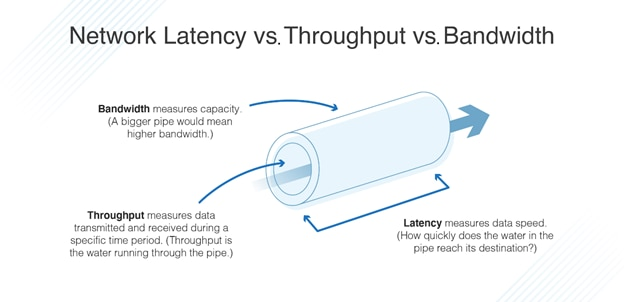
The folks over at DNSSTUFF have a great article on Latency, Throughput, and bandwidth. I have written about latency and such before. They have this great graphic that puts it into perspective.