

Lately, I have been struggling with cohesion with remote colleagues. There is a fine line between focused teams getting off track and also engaging in normal human conversation. This is not necessarily water-cooler talk, but basic interaction. Remote work is taking away the physical office, but it doesn’t change human nature. People still want to feel like they belong, to be noticed, and to share a laugh, a concern, or a small success. That need brings people together, but it can also create a lot of chatter. We all want to brag on ourselves or our loved ones now and then. At the same time, the folks paying us want us to get work done.
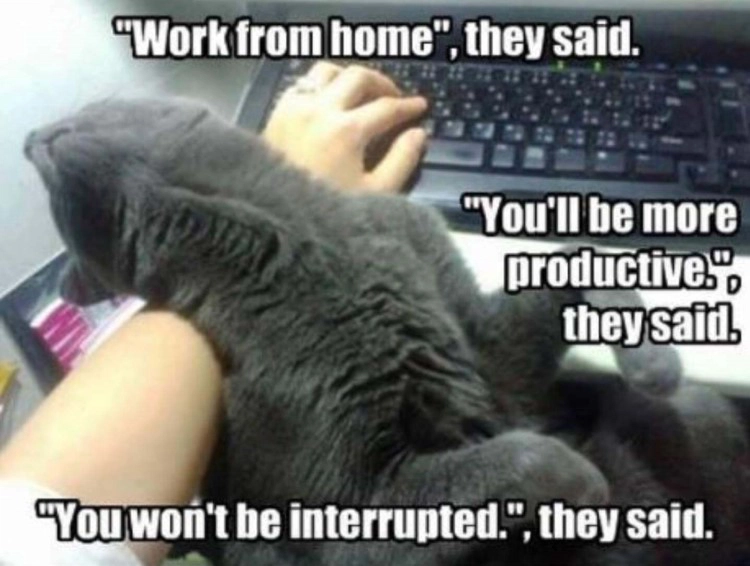
Noise is not bad by default. Silence is worse. A silent remote team feels like a set of freelancers sharing a logo. The problem shows up when noise starts to crowd out meaning. In an office, it takes effort to interrupt someone—you have to walk over, see if they’re busy, and decide if it’s worth it. Remote tools like Slack and Teams remove that barrier. It’s easy to chat anytime, which is both helpful and can be annoying.
Sharing memes, side conversations, and inside jokes can help build trust. Humor brings people together and reminds them they’re more than just workers. That’s important because teams that never joke usually don’t trust each other much. Problems start when chatting stops helping people connect and starts getting in the way of work. If every channel turns into a social feed, people lose focus. Important messages get lost, and people glaze over messages. When that happens, real communication fades away.
Meaningful communication has intent. It respects attention. It answers a question, surfaces a risk, or moves work forward. It can still be friendly. It can still be human. The difference is purpose. Camaraderie works best when there’s a dedicated space for it. Having a place for casual chat lets people join in or take a break without feeling self-conscious. It also keeps work channels focused, so important messages stand out. If you are using Teams, Slack, or something else, set aside a #random channel. This is where those side conversations can happen. Camaraderie is not forced.
Strong remote teams figure out when to speak up and when to stay quiet. They know not every thought needs to be shared, and they care more about being clear than being clever. Culture spreads quickly in remote work. Remote work doesn’t fail because people talk too much. It fails when teams stop listening. Chatter is only a problem when it covers up what’s important.

The goal is not less communication. The goal is better communication. There needs to be enough noise to remind people they belong. Enough clarity to ensure the work still gets done. That balance is thin, but when a team finds it, remote work no longer feels remote at all.
j2networks family of siteshttps://j2sw.com
https://startawisp.info
https://indycolo.net
#packetsdownrange #routethelight
Discover more from Justin Wilson (j2sw)
Subscribe to get the latest posts sent to your email.