

In this article
This post is different from my normal technical post. We are diving into the human world instead of the silicon one.
We like to think communication is simple. Someone talks. We hear the words. Message received.
Anyone who has worked on a team, managed a business, or solved problems with others knows it’s not that simple. Words can be tricky. People use them differently, depending on their mood, stress, culture, or even just their day.
If you only listen to the exact words, you can miss the actual point. This is especially true in the technical world. Engineers have a different approach to things than management does. Some of the best Engineers do not get to practice their real-time communication skills. E-mails and instant messages are not the same as real-time communication.
Why Words Alone Fall Short
Language isn’t perfect. It’s more like a delivery service that sometimes loses messages or mixes them up. Sometimes, a person uses a word that means one thing to them and something else to you. In today’s society, with Emojis being a double-edged sword, communication can get complicated or make perfect sense. It all depends on several factors.
Someone might say, “This won’t work,” when they really mean, “I’m worried we’re rushing.”
Another might say, “I don’t care,” when the truth is, “I don’t want to start an argument.”
If you only react to the exact words, you might miss what the person really means. That’s when misunderstandings happen. A while back, I did an updated personality test. I encourage anyone to do this. It helps you see what your strengths are as well as your weaknesses.
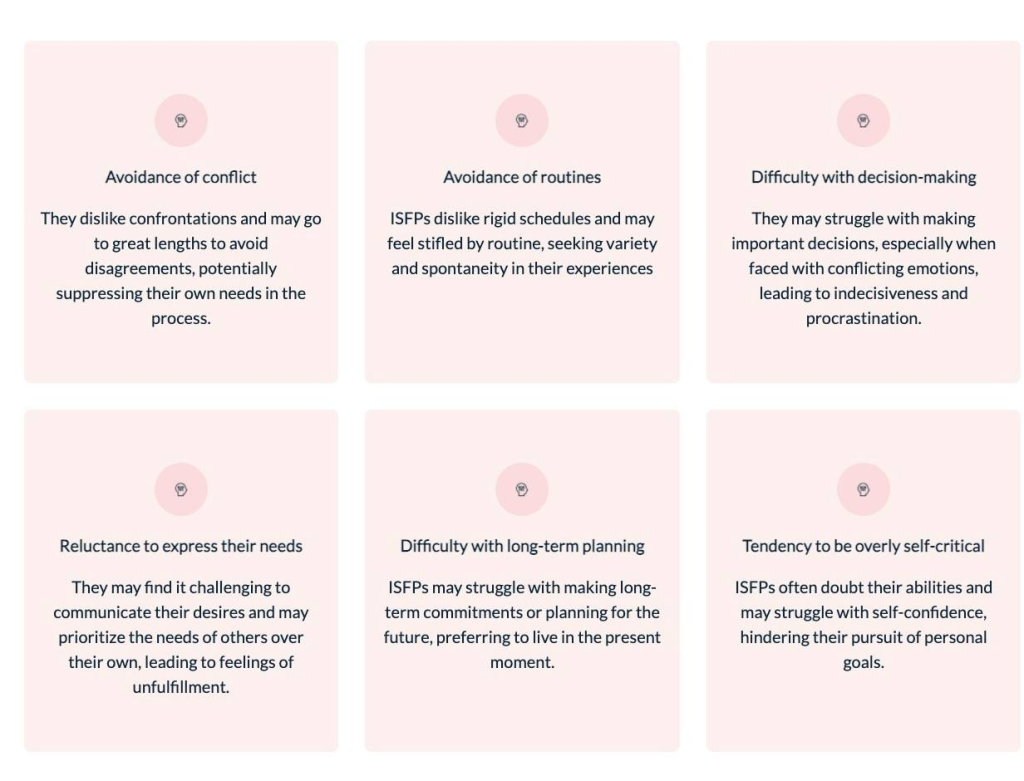
What did I learn from my test? Many of the above is what I already knew, but seeing it fresh again has allowed me to catch myself from bad habits when in certain situations.
Intent Is the Real Payload
When we pay attention to the meaning behind the words, our conversations improve. Intent shows you what the person is worried about, what they want, what they’re trying to protect, or what they hope to fix.
Ask yourself:
- What are they trying to communicate?
- What problem are they pointing at?
- What emotion is driving the sentence?
This isn’t about reading minds. It’s about noticing the whole message, not just one part. Take into accoutn the person as well as the words.
Context Gives You Clarity
Words can mean different things depending on the situation. We all shift how we talk without even noticing it. Stress tightens our language. Urgency strips out the polite edges. Familiar company makes us speak in shorthand. New company makes us tread a little softer.
Because of that, the same phrase can land in completely different ways.
A short answer in a crisis doesn’t always mean someone is upset. It might mean their brain is in “triage mode,” trimming every extra syllable so they can keep their head above water. If you judge their tone instead of the situation, you misread what’s happening. This is multiplied by stress.
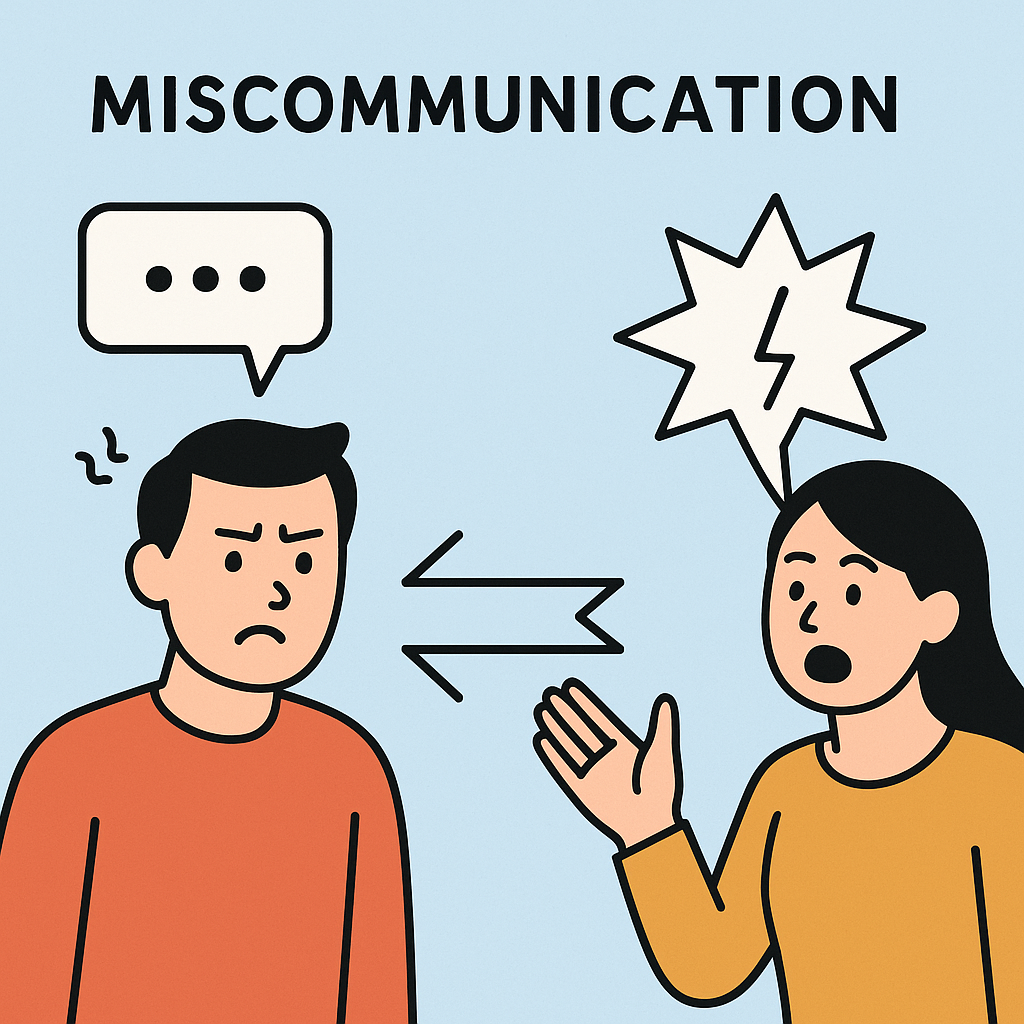
A blunt comment in a meeting might show passion, not anger. When people care about the outcome, their filters loosen. Their focus shifts from diplomacy to clarity. They want the idea to land clean, so they drop the fluff. If you only hear the sharpness, you miss the commitment underneath.
This is why reading intent matters. People don’t speak in perfect, polished sentences. They speak in whatever form their moment allows. The more we anchor our interpretation in context—what’s going on, what pressure they’re under, what they’re trying to solve—the closer we get to understanding what they meant rather than how it sounded.
Read the situation around the words. Tone, timing, and history fill in the gaps. Think of it as the metadata of a conversation. Knowing a person’s personality can also help in understanding. Is that person a good communicator? Are they stressed? Any number of factors can influence what words someone uses.
How to Practice Intent-Focused Listening
Keep it simple:
- Pause before reacting.
- Assume the person is trying to solve something, not attack something.
- Ask clarifying questions instead of firing back.
- Restate what you think they mean and check it: “So you’re saying…?”
You’ll have better conversations and fewer mix-ups. The other person will feel like you really listened.

The Payoff
When you tune in to intent, conversations stop feeling like battles over phrasing. You start solving the real issue faster. Trust grows. Tempers stay lower. And people feel safe speaking honestly—even if their word choice isn’t perfect.
It’s like upgrading from parsing raw packets to understanding the application layer. You get the whole picture, not just the bits.
j2networks family of siteshttps://j2sw.com
https://startawisp.info
https://indycolo.net
#packetsdownrange #routethelight
Discover more from Justin Wilson (j2sw)
Subscribe to get the latest posts sent to your email.