
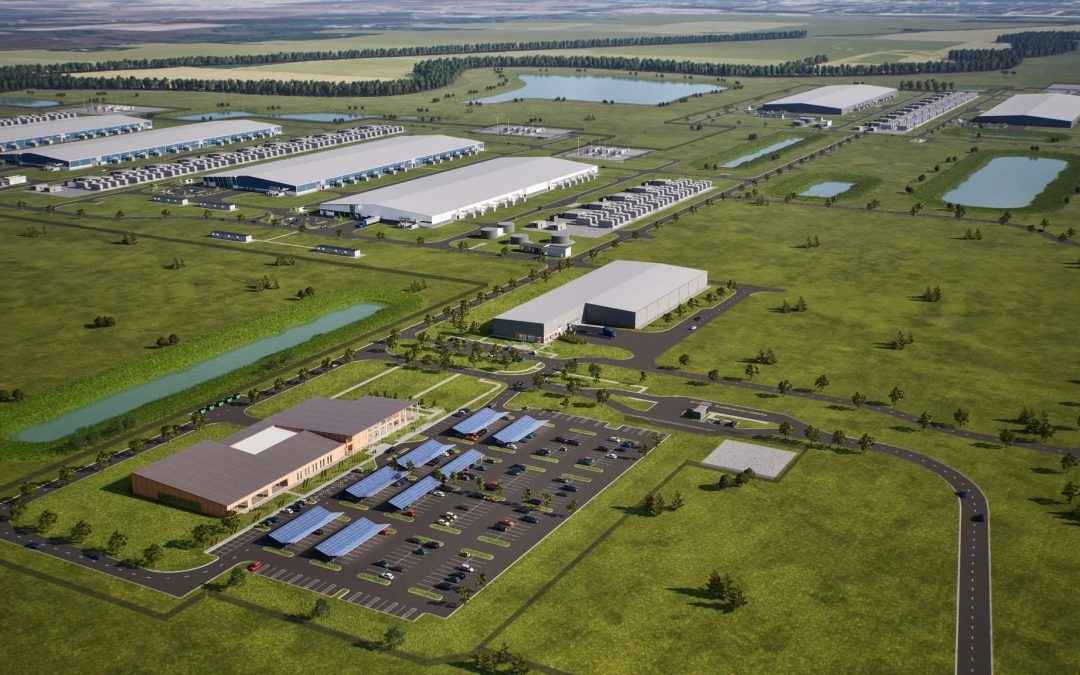
Many folks think the demand for all of these new Data Centers happened overnight. One day, you hear about a single new facility on the edge of town. Next, there are announcements stacked on top of each other, each one bigger than the last. From a network engineer’s seat, this is not random growth. It is a direct response to the shift in traffic patterns, compute demand, and application design. Facebook has over 3 billion, yes that Billion, active users a month. The internet used to just move data. Now it processes data. That change alone drives most of what you are seeing
The Workload Changed First
For a long time, networks were built around moving packets between users and centralized services. Think web browsing, email, and streaming, to name just a few. The traffic was predictable. Traffic came in, hit a server, and went back out. You could scale that with a few large data centers and a solid backbone connecting them.
The traditional model has begun to break as workloads have become compute-intensive. Video streaming pushed sustained throughput. Cloud platforms pushed east-west traffic inside data centers. Then AI showed up and completely changed how traffic flows.
Training models and running inference are not light lifts. It requires dense compute, high-speed fabrics, and a ton of power. Not “add another rack” power. Real infrastructure-level power. When you see a new data center announcement today, there is a good chance it is being sized for GPU nodes, not just general-purpose compute.
The Network Got Pulled Inward
In older designs, the network sat between users and the compute. Now the network is part of the compute system. High-performance workloads depend on low-latency, high-bandwidth interconnects inside the data center as much as they depend on connectivity to the outside world. All those AI cat vidoes have to be generated somewhere. The data center is no longer just a host for servers. It is a distributed system where the network fabric is as critical as the CPU.
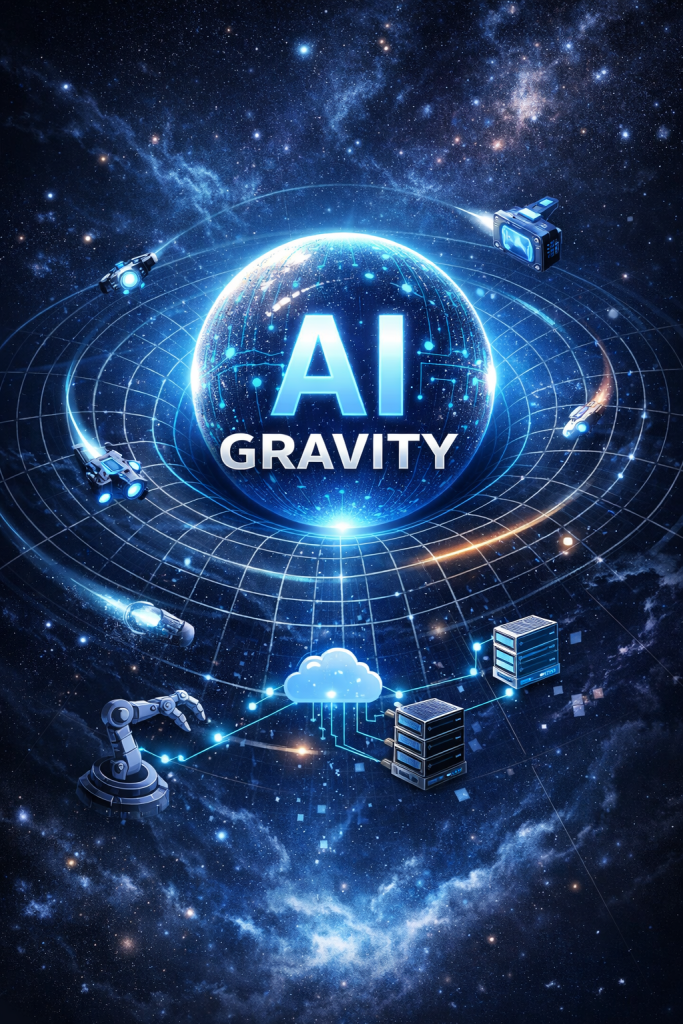
That also changes where data centers need to be built. Proximity to users still matters, but proximity to other data centers and exchange points matters just as much. Interconnection is now a first-order design constraint, not an afterthought. I call this “AI Gravity”.
Hyperscalers set the pace.
Companies like Amazon Web Services (AWS), Microsoft Azure, and Google have all put the pedal to the metal to build massive infrastructure.
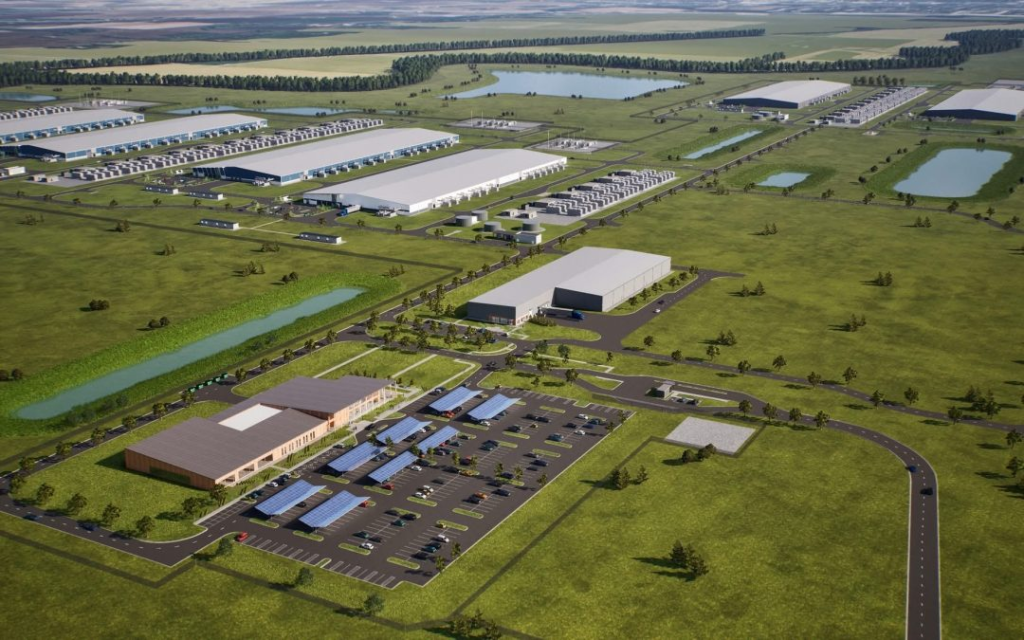
Up next are the Colocation providers, regional operators, and even enterprises that are now building or leasing space that looks a lot like scaled-down hyperscale data centers. The goal is to stay close enough to the larger players and their ecosystems to stay relevant. If your network is not within a few milliseconds of where workloads live, you are already at a disadvantage.
Power and Land Became the Gatekeepers
Data centers are no longer limited by just routers and switches. They are limited by power and land. AI workloads in particular drive extreme power density. You are now planning for sustained, high-density loads that require new approaches to cooling and power delivery. That is why you see projects tied to specific regions with available power capacity.
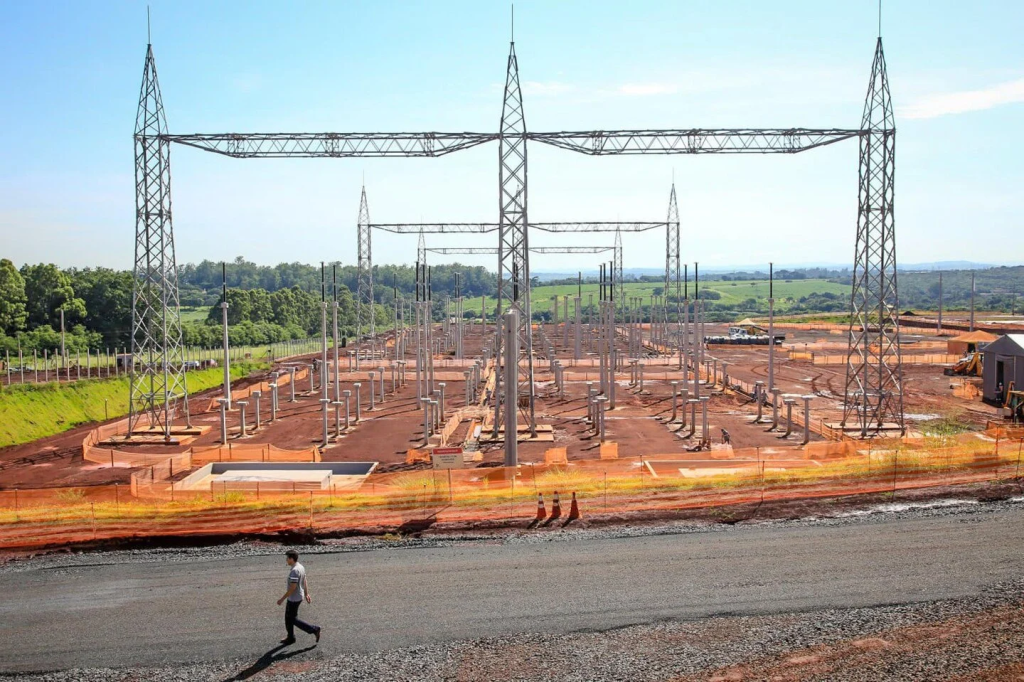
This also explains the sudden clustering. Once a region solves the power and permitting problem, multiple projects follow. It is easier to expand where the foundation is already done than to start fresh somewhere else.
The Edge Is Filling In
Not every data center being built is a hyperscale facility. There is also a push toward smaller, regional, and edge deployments. These exist to solve a the latency problem.
Applications such as real-time analytics, gaming, and certain AI inference workloads benefit from being closer to the end user. That does not replace large core data centers. It complements them. You end up with a layered model where core regions handle heavy compute and edge sites handle time-sensitive tasks.
From a routing perspective, this creates more complexity. Traffic is no no longer only north-south. It is local, regional, and global at the same time. Path selection, peering strategy, and traffic engineering all become more important.
The Money Finally Lined Up
For years, demand outpaced infrastructure. Now the capital is chasing it. Private equity and large finance balance sheets are all focused on the idea that compute capacity is the new bottleneck. That is why projects that would have taken years to justify are getting fast-tracked. The risk is no longer overbuilding. The risk is not building fast enough and missing demand. You can see this in how quickly land gets acquired, permits get pushed through, and construction starts.
What This Means
From an operator standpoint, this changes how you think about network design. You are not just connecting customers to the internet anymore. You are connecting them to compute ecosystems such as Claude or ChatGPT.
That means more focus on:
- Direct interconnection instead of pure transit. FD-IX.ai is solving this problem.
- Capacity planning that assumes rapid growth, not linear growth
- Designing for failure domains that include entire facilities, not just devices
The networks that win in this environment are the ones that treat data centers as part of the topology.
All of these data centers are not showing up by accident. They are the physical response to a change in how the internet is used. Compute has moved from centralized and predictable to distributed and demanding. The infrastructure had to follow.
If you zoom out, this looks like a sudden boom. If you zoom in, you’ll see it’s a backlog being cleared all at once. The demand has been building for years. Now the industry is finally catching up.
j2networks family of siteshttps://j2sw.com
https://startawisp.info
https://indycolo.net
#packetsdownrange #routethelight
Discover more from Justin Wilson (j2sw)
Subscribe to get the latest posts sent to your email.