Gotta start again somewhere with content videos
The lightning sucks. The audio sucks. The framing of the shot sucks. But ya know what? I did it. the key is just to be consistent and do the best with what you have. Enjoy the crappiness. lol
Packets DownRange
The lightning sucks. The audio sucks. The framing of the shot sucks. But ya know what? I did it. the key is just to be consistent and do the best with what you have. Enjoy the crappiness. lol
Whether you’re troubleshooting BGP sessions, scanning subnets, or verifying DNS propagation, these Homebrew-accessible tools can save you time, boost productivity, and make you look like the network wizard you are.
ISP-specific training focuses on the unique challenges and technologies Internet Service Providers face. Unlike general networking or CompTIA-style certifications, this type of training zeroes in on real-world field scenarios
BFD is a protocol designed to rapidly detect link or path failures between two forwarding engines. It operates independently of routing protocols but works in conjunction with them to improve failure detection and response times.
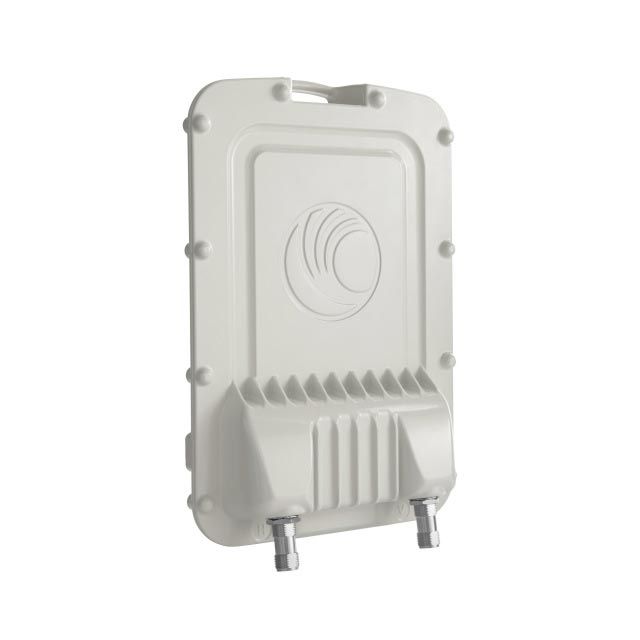
Cambium Networks offers a broad and powerful hardware portfolio—from fixed wireless radios to enterprise Wi‑Fi and switches—all seamlessly managed via their cnMaestro and XMS platforms
OSPF, or Open Shortest Path First. OSPF is one of the most commonly used interior gateway protocols (IGPs) in enterprise and service provider networks. It’s fast, scalable, and supports complex topologies. Many WISPs use OSPF in their networks as well as other Service Providers.
Podcast: Play in new window | Download (68.6MB)
Border Gateway Protocol (BGP) is a protocol that makes the Capitl I Internet run. It is the fundamental system that Internet Service Providers (ISPs) and large networks use to exchange reachability information and ensure data finds its way across the complex web of networks making up the global Internet.
http://blog.j2sw.com/2019/05/13/cisco-flex-links/
Posted to the MTIN blog and pushed out to Apple and Google as well.
In IPv6, one of the most convenient features is SLAAC—Stateless Address Autoconfiguration. In this post, I will break down what SLAAC is, how it works, and when to use it
Here’s a Microwave Backhaul Troubleshooting Checklist suitable for field techs, NOC staff, or network engineers. It covers physical, configuration, environmental, and link-layer elements: