
How the Modern ISP Network Is Actually Structured
The three-tier model of core (edge), distribution, and access remains the foundation of ISP network architecture, though the distinctions between these layers have become less defined. A current assessment requires analysis beyond standard diagrams.
The Modern ISP Network: Architecture, Challenges, and What’s Next for Internet Service Provider Infrastructure
You’re managing a network that deals with more traffic than ever before. Your subscribers stream 4K video, work from home using cloud-based tools, and rely on applications where even a slight delay matters. The systems you have now are working, but the reality is that the network design you use today won’t be enough for the next five years.
Annatomy of a DDoS attack. When ports fill up
Identifying a DDoS attack requires an understanding of normal network behavior. In the left portion of the graph,
How Internet Service Providers can use AI – the 10,000 foot level
Stuck SFP modules in switches
If you have been around the Data Center world working on switches, you will have run into this at one point. A stuck SFP. If you have ran into this, the following article by Edge Optical Solutions will be of …
LibreQOS Buffer Bloat test
https://bufferbloat.libreqos.com What Each Phase Tests Baseline Your connection’s inherent latency when idle (measures base network quality) Download How much latency increases when downloading large files (simulates streaming, software updates) Upload How much latency increases when uploading data (simulates video calls, …
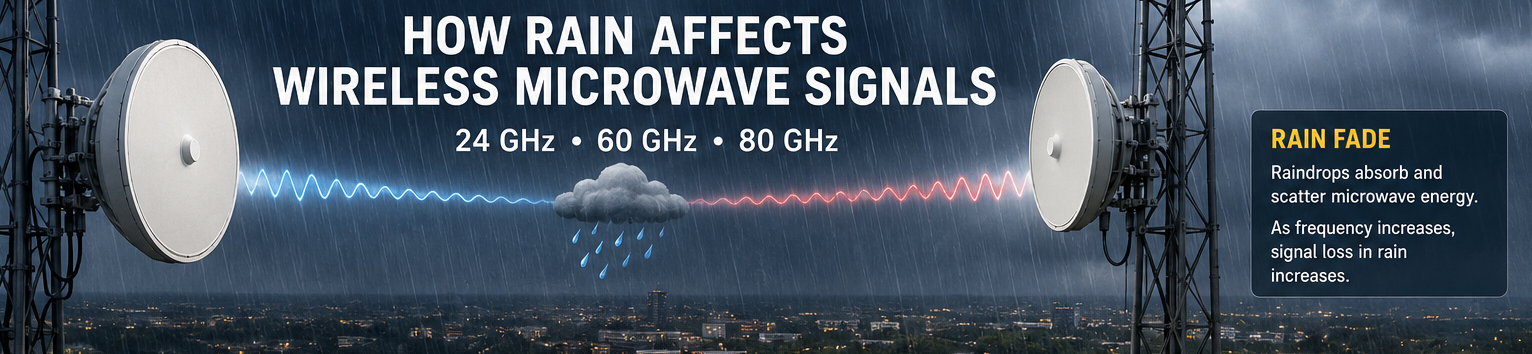
Wireless signal fade and routing protocols
Wireless signal fade happens when the radio signal drops in strength or quality. Distance, weather, interference, and physical obstructions all play a role. Even small changes matter. Water absorbs RF energy. Heat bends signals. Trees grow. The result is lower signal-to-noise ratio, higher error rates, and retries that pile up fast
Script for installing recursive DNS on Ubuntu Version 3.0
I have written many times that ISPs should be running their own local recursive DNS servers. Today I am releasing this new version of my DNS recursive script for Ubuntu to the public.
Why Every ISP Should Have a PeeringDB Listing, Even If They’re Not in a Data Center
Many Internet service providers believe PeeringDB is just for networks in large data centers. That belief sticks around like an old patch cable at the bottom of a toolbox. The reality is simpler: every ISP should have a PeeringDB entry, …
How can FD-IX (or any IXP) improve your network?
how can FD-IX or any IXP help your network?
How an Internet Exchange Can Increase Cybersecurity
When people talk about Internet Exchanges, they usually focus on performance, like lower latency, faster traffic, and cheaper bandwidth. That’s all true. But there’s another side that often gets overlooked: an IX can also make the Internet safer.
Why Antenna Gain Matters in Wireless Networking
When we talk about antennas in wireless networking, the conversation often drifts toward frequency, coverage, and line of sight. However, one key factor can significantly impact your link quality: antenna gain.